Iván, el colombiano que pudo haber sido mi “landlord” en lugar de Tucker, me llamó para invitarme a visitar con su novia (que está de visita) una plantación. Habían alquilado un carro (como dicen ellos) y tras una dudas iniciales porque me tenía que picar algunas clases, comprendí que era tontería decir que no y acepté la invitación. Pedí permiso a los profes, eso sí, que yo soy muy responsable, jeje, y no me pusieron problemas.
La plantación elegida fue Oak Alley, que es probablemente la más famosa de la zona. Y la verdad es que es un lugar espectacular.
Lo curioso del asunto es la aséptica forma en la que “lo venden”. Te llevan de aquí para allá en una visita teatralizada con las guías enfundadas en trajes de época, y te van contando todas los detalles curiosos y llamativos de los habitantes de la casa. De los habitantes… bueno, de los blanquitos que fueron los dueños. Porque en ningún instante mencionan una sola palabra acerca de los numerosos esclavos que allí también vivieron, concretamente 20 en la casa y 93 en los campos (había un panel explicativo por ahí, han tenido la decencia de poner al menos un cartelito). Así que al acabar la visita te quedas con la sensación de que estás en un lugar paradisíaco en el que vivieron unos afortunados seres que se pasaban la vida de fiesta en fiesta… Pero el paraíso nunca alcanza para todos.
Aunque no son ahora muy distintas las cosas. La esclavitud es más sutil, pero nos tienen realmente cogidos por los…
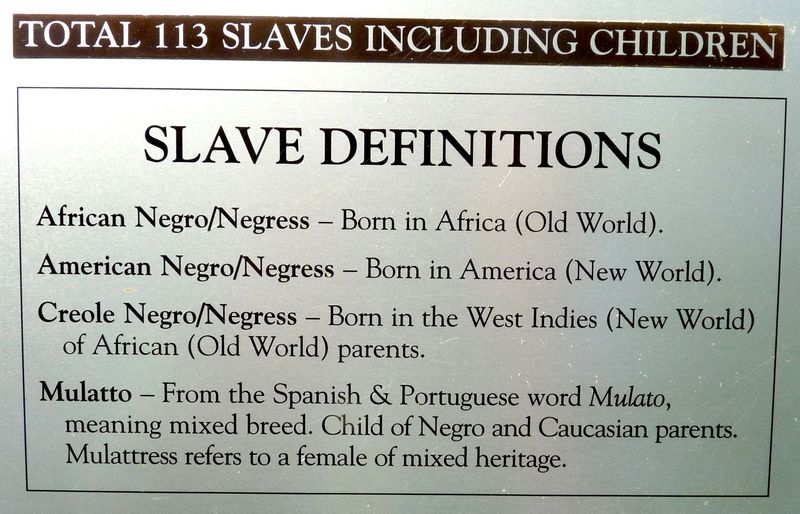
Interesantes deficiniciones de los esclavos
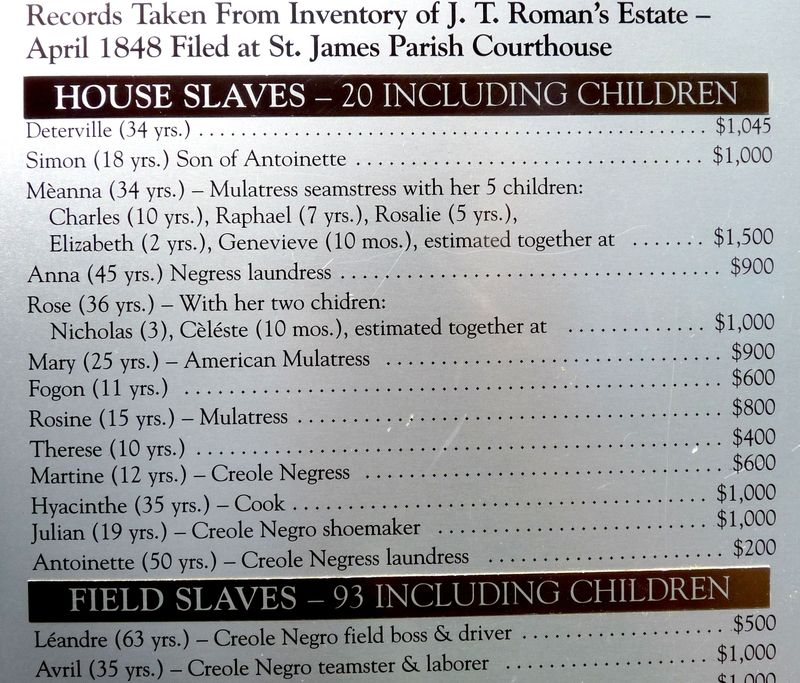
Una parte del listado de esclavos.

Esos robles tienen 300 años... cágate lorito.
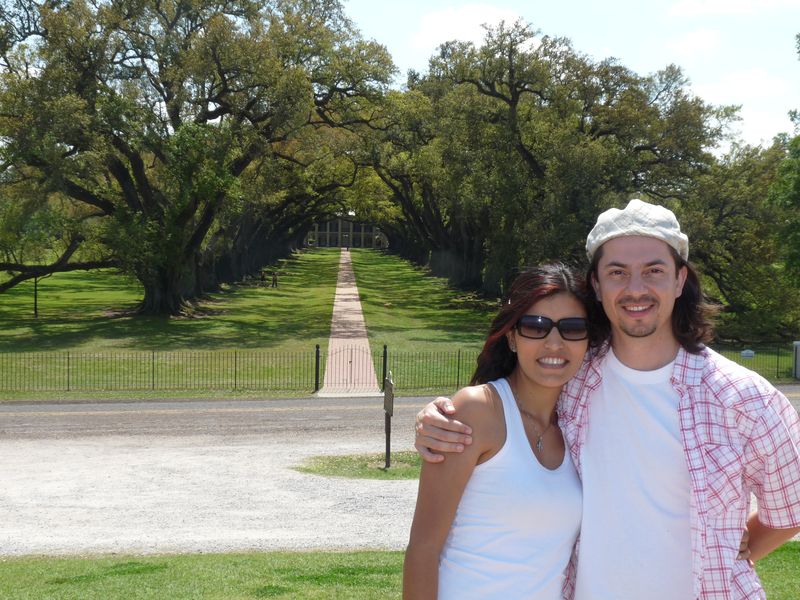
Iván e Isabel con los famosos robles
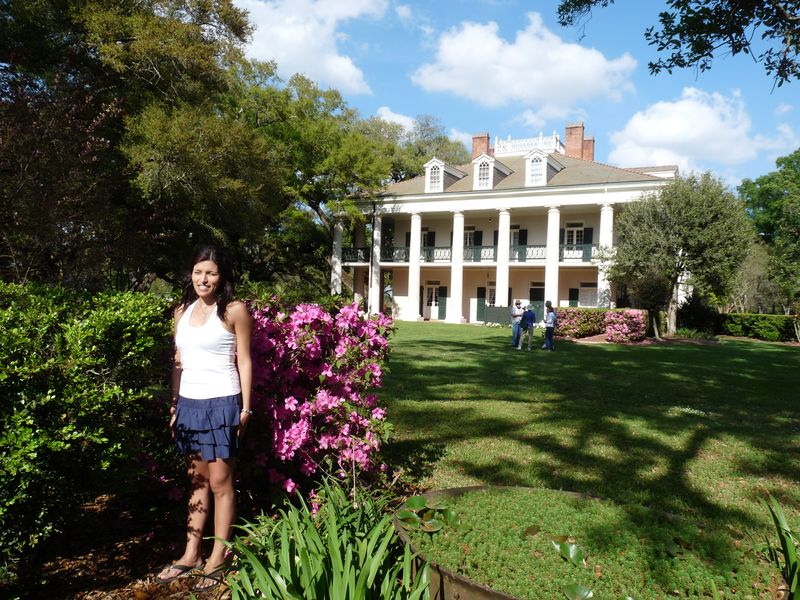
Vista lateral de la casa
Iván, the Colombian guy who might have been my landlord instead of Tucker, called me to give me a ride to one plantation with his girlfriend. They’ve rented a car, and it was a great opportunity to me, though I had to make up my mind since there were some classes I would miss. At the end, I found no sense to say no, and I accepted. I asked for permission to the teachers (I’m very responsible, hehe) and they didn’t put any objection.
The plantation chosen was Oak Alley, probably the most famous around. And to say the truth, it’s a really astonishing venue.
The odd thing was the aseptic way to show the place. Some girls dressed in old costumes take you back and forth telling you funny stories and curious facts about the inhabitants of the property. The inhabitants… well, the white ones who were the owners. Because there was no word spoken about the slaves who also lived there; they were exactly 20 working at home and 83 labouring at the sugar fields (there was a sign explaining that; it was nice they put that sign). So, at the end of the visit, you have the feeling that you’re walking on a paradisiacal place where fortunate people were spending theirs lives from one party to another… But there is no room enough to everyone in the paradise.
